At What Point During Pregnancy Does a Baby React to Stimuli
Original Editor - Mariam Hashem
Top Contributors - Nicole Hills, Mariam Hashem, Wendy Walker, Kim Jackson, Lucinda hampton, Admin, Tarina van der Stockt, Simisola Ajeyalemi, Candace Goh, Tony Lowe, Michelle Lee, Vidya Acharya and Rucha Gadgil
One Page Owner - Nicole Hills equally office of the One Page Project
Introduction [edit | edit source]
Physical activity is considered safety and beneficial for meaning women without contraindications to exercise. Pregnancy can be seen as a great fourth dimension for lifestyle modifications. Moderate to vigorous physical activity (MVPA) are proven to be beneficial for both mother and fetus in most pregnancies with the necessary modifications.[i] [2]
Practise improves the health and wellbeing of both the mother and infant during pregnancy and in the postpartum period. Pregnancy and the postpartum period are viewed as "teachable moments" where women are motivated to change their habits to ameliorate the health of their babies and themselves. [3] This unique period of time provides an opportunity for health intendance professionals, specifically physiotherapists, to educate women on the importance of adopting healthy lifestyle interventions, which includes exercise. [3]
Current recommendations [edit | edit source]
In women, concrete activity during pregnancy and the postpartum menstruum confers benefits for the post-obit maternal and fetal health outcomes[1]:
- Decreased caesarean births and operative vaginal delivery
- Meliorate postpartum recovery
- Prevention of postpartum depression
- Prevention of excessive gestational weight gain (GWG)
- Reduced risks of obesity in pregnancy
- Reduced pregnancy complications such as pre-eclampsia, gestational hypertension, gestational diabetes (GDM), fetal marcosomia, low birth weight.
The following recommendations are from the WHO 2020 guideline - all pregnant and postpartum women (without contraindications) should aim to:
- Undertake regular physical action throughout pregnancy and postal service partum period;
- Accrue at least 150 min of moderate-intensity physical activeness throughout the calendar week. For substantial wellness benefits, information technology is best to contain a variety of aerobic (eg. brisk walking, swimming, stationary cycling, low-impact aerobics, jogging, modified yoga and modified Pilates) and resistance grooming activities (body weight exercises eg. squats, lunges, push-ups). ;
- Contain a variety of aerobic and muscle-strengthening activities. Calculation gentle stretching may too be beneficial.
In addition:
- Women who, earlier pregnancy, habitually engaged in vigorous-intensity aerobic activity or who were physically active can continue these activities during pregnancy and the postpartum period.
- If pregnant and postpartum women are not currently meeting these recommendations, doing some concrete activity volition bring health benefits. They should start with pocket-sized amounts of physical activity and gradually increase frequency, intensity and duration over time. Pelvic floor muscle preparation (Kegel's do) may be performed on a daily footing to reduce the risk of urinary incontinence.
- Pregnant and postpartum women should limit the amount of time spent being sedentary. Replacing sedentary time with concrete activeness of whatsoever intensity (including lite intensity) provides health benefits.[4]
Additional on safety considerations when undertaking physical activity for pregnant women are:
- Avoid concrete action during excessive rut, especially with high humidity;
- Stay hydrated past drinking water earlier, during and after physical action;
- Avoid participating in activities which involve physical contact, pose a high gamble of falling or might limit oxygenation (such equally activities at high altitude, when not ordinarily living at altitude);
- Avoid activities in supine position after the commencement trimester of pregnancy every bit this can atomic number 82 to decreased cardiac output, aortal-caval pinch and hypotension[v];
- Significant women considering athletic competition or exercising significantly above the recommended guidelines should seek supervision from a specialist healthcare provider;
- Significant women should be informed by their healthcare provider of the danger signs for when to stop, or limit physical activeness and to consult a qualified healthcare provider immediately if they occur.[4]
Contraindications [edit | edit source]
During pregnancy women who present with absolute contraindications to practise may continue with their usual daily activities but should avoid moderate and vigorous activities.[half-dozen] Women with relative contraindications should discuss their potential participation in these activities with their obstetric care provider prior to beginning or continuing with their exercise programs.[6]
Absolute contraindications [edit | edit source]
- Ruptured membranes
- Active preterm labour
- Unexplained PV bleeding
- Placenta praevia subsequently 28 weeks
- Astringent pre-eclampsia
- Incompetent neck
- Intrauterine growth restriction
- Higher-gild multiple pregnancy (e.g., twins, triplets etc.)
- Uncontrolled loftier blood pressure, type 1 or type ii diabetes or thyroid affliction
- Uncontrolled or severe arrhythmia
- Other serious cardiovascular, respiratory or systemic disorders[6]
Relative contraindications [edit | edit source]
- Balmy/moderate cardiovascular or respiratory disease
- Well-controlled type 1 diabetes
- Balmy pre-eclampsia
- Preterm premature rupture of membranes
- Untreated thyroid affliction
- Multiple nutrient deficiencies/ malnutrition
- Symptomatic severe eating disorder
- Placenta previa afterward 28 weeks
- Moderate to heavy smoking (>xx cigarettes per day)
- Other significant medical weather condition[6]
Prenatal exercise rubber [edit | edit source]
Physiotherapists should educate pregnant women on specific safety precautions during exercise, activities to avert, and when to consult their healthcare provider.[6]
Safety precautions (see higher up)
Agin reactions to exercise
Women should exist advised to stop exercising and consult their healthcare provider immediately if any of the following occur:
- persistent excessive shortness of jiff that does not resolve with rest
- astringent chest pain
- regular and painful uterine contractions
- vaginal bleeding
- persistent loss of fluid from the vagina indicating the rupture of the membranes
- persistent dizziness, syncope or faintness that does not resolve on residue[6]
- decreased fetal movement
- musculus weakness affecting balance
- calf pain or swelling[7]
Benefits of physical activeness during pregnancy [edit | edit source]
Exercise and weight direction [edit | edit source]
Weight gain during pregnancy is known equally gestational weight gain (GWG). Women who begin pregnancy:
- underweight should be expected to proceeds 12.5-18kg over the course of their pregnancy
- normal weight should gain between 11.v-16kg
- overweight should gain seven-11.5 kg and
- obese should gain between 5-9 kg[8].
A high percent of women exceed the recommended weight.[ix] Excessive GWG is associated with a high take chances of developing gestational diabetes mellitus (GDM), hypertension[ten], having a cesarean delivery and postpartum weight retentiveness.[xi] Regular concrete action during pregnancy tin reduce GWG by an average of 6.8 pounds compared to women who do not exercise regularly.[12] A recent randomized control trial (RCT) suggests behavioural-lifestyle intervention supported by a smartphone app among significant women improved dietary, physical activity, and motivation outcomes[13].
[fourteen] [fifteen]
Exercise and cardiac and respiratory fitness [edit | edit source]
Pregnancy is accompanied past many cardiac and respiratory changes that begin during the fifth week of gestation and last until almost a year after delivery[16], Cardiac output and blood volume increment up to 50%.[17][18] Tidal book and oxygen consumption (VO2) also increases to supply the oxygen requirements of the fetus.
[19]
Exercise and psychological well-being [edit | edit source]
Pregnancy tin also exist a time of major emotional changes. Many women suffer alterations in mood and fifty-fifty prenatal low. Recent studies accept estimated the prevalence of depression during pregnancy to exist between x% and 20%[twenty] [21].
Women who keep fit during pregnancy are more relaxed and cope better with the emotional and physiological strains of pregnancy. This is attributed to a number of positive effects from exercise such as weight management, ameliorate trunk image and self-esteem, improved slumber, and increased free energy levels.
Exercise is also proven to be effective in treating antenatal depression[22].
[23]
Low dorsum pain [edit | edit source]
Pregnant women may develop an increase in lumbar lordosis, which has been shown to contribute to the prevalence (l%) of depression back pain in pregnant women.[7] A general whole-body exercise program and lumbar stabilisation exercises can help to reduce the intensity of back pain.[24] [25]
[26]
Labour outcomes [edit | edit source]
Pregnant women who maintain a regular exercise routine may experience less pain and shorter labour.[27] This is attributed to the do outcome on inducing metabolic and hormonal changes that may bear on uterine contractility and endurance.[28] Exercise during pregnancy has too been associated with reduced adventure for Cesarean birth.[29]
Urinary incontinence [edit | edit source]
Pelvic flooring strengthening exercises during pregnancy are helpful in prevention and reducing the symptoms of urinary incontinence.[thirty]
Diastasis recti abdominis [edit | edit source]
There is no evidence to support the need to treat or preclude diastasis recti abdominis during pregnancy.[31]
Exercise recommendations [edit | edit source]
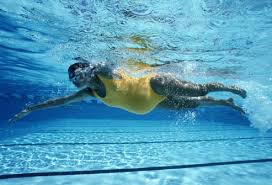
American College of Obstetricians and Gynecologists recommends reviewing the overall wellness, obstetric, and medical risks before prescribing an practise program to a woman who is pregnant. In the absenteeism of contraindications, a pregnant adult female should exist encouraged to appoint in regular, moderate-intensity physical activity.[7]
Pregnant women are encouraged to spend 30 minutes or more of moderate-intensity physical activity on nigh, and preferably all days of the week. Moderate-intensity physical activity is defined equally an activeness with an energy requirement of three-5 metabolic equivalents (METS). For about healthy adults, this is equivalent to brisk walking at ii-five mph or a self-reported rating of 12-xiii (somewhat hard) on the Borg scale of perceived exertion. Afterwards the 13th week of pregnancy, about (300 kcal) per day are required to meet the metabolic needs of pregnancy. this energy requirement is increased further when daily energy expenditure is increased through exercise, especially with weight-bearing exercises, such as walking. Proper hydration and subjective feelings of heat stress are very of import. The supine position should be avoided as much as possible during remainder and exercise afterwards the first trimester, equally information technology can obstruct venous return. Motionless (static) standing should be avoided as it is associated with a significant decrease in cardiac output.[7]
FITT Recommendations for Pregnancy
- Frequency: 3 or more days a week for aerobic activities and two-3 non-consecutive days per week for resistance activities.
- Intensity: moderate-intensity (12-13 on the half-dozen-20 Borg scale) for aerobic activities, resistance activities should be performed to the point of moderate fatigue (viii-10 reps or 12-15 reps). Brainstorm with low weights with multiple repetitions.
- Time: thirty minutes of moderate-intensity aerobic activities, 2-3 sets of resistance exercises focusing on major muscle groups. (beginners should start with 1 set and progress as able)
- Type: Exercises that use large muscle groups in a continuous rhythmic manner are beneficial and accept not been associated with adverse effects eg aerobic exercises, walking, hiking, jogging/running, aerobic dance, swimming, cycling, rowing, cross country skiing, skating, dancing and rope skipping (extra caution should be taken with activities that increase the risk of falls).[32]
Physical activities effects on the fetus and the newborn [edit | edit source]
Exercise is not associated with birth weight reduction[33] and has been found to reduce the risk of preterm birth.[two]. Do can boost the neuro-behavioral profile and orientation level of the newborn; they are more alert and interested in their surroundings, and less demanding on their mothers. Also, babies of physically active pregnant women are lighter and leaner than offspring from non-physically active meaning women.[2]
A written report that compared placental growth and morphometric measurements establish faster placental growth rate, and greater scores on the morphometric indexes of placental office with exercising pregnant women.[34]
[35]
Resources [edit | edit source]
[36]
due east FIT and Safe ADVICE FOR MOTHERS-TO-BE AND NEW MOTHERS
2019 Canadian guideline for physical activity during pregnancy[6]
American College of Obstetricians and Gynecologists commission stance on physical activity and exercise during pregnancy and postpartum[37]
Do and pregnancy in recreational and elite athletes a 5 office series by Bø and colleagues (2016):
- Part 1: Exercise in women planning pregnancy and those who are pregnant [38]
- Part 2: Upshot of having exercised (physical fitness) on labour and neonatal/fetal outcomes[39]
- Role 3: Guidance on returning to exercise in the postpartum flow [40]
- Part 4: Hereafter inquiry directions for athletes and pregnancy [41]
- Part v: Recommendations for wellness professionals and active women [31]
Summary of the international guidelines for physical activeness after pregnancy[42]
The Motivate2Move website, created by Wales Deanery, has a useful page on Exercise During Pregnancy.
References [edit | edit source]
- ↑ one.0 1.one Lee R, Thain S, Tan LK, Teo T, Tan KH. Asia-Pacific consensus on physical activity and exercise in pregnancy and the postpartum menstruum. BMJ open sport & do medicine. 2021 May i;seven(2):e000967.
- ↑ 2.0 2.1 ii.2 Katch V. Pregnancy And Physical Activity( 2017, Feb, 5). Retrieved from http://michigantoday.umich.edu/pregnancy-and-physical-activity/.
- ↑ 3.0 3.1 Smith GN, Pudwell J, Roddy M. The Maternal Health Clinic: a new window of opportunity for early middle disease chance screening and intervention for women with pregnancy complications. Journal of obstetrics and gynaecology Canada. 2013 Sep;35(9):831.
- ↑ 4.0 four.1 Bull FC, Al-Ansari SS, Biddle Southward, Borodulin K, Buman MP, Cardon G, Carty C, Chaput JP, Chastin S, Chou R, Dempsey PC. Globe Health Organization 2020 guidelines on physical activity and sedentary behaviour. British Journal of Sports Medicine. 2020 Dec ane;54(24):1451-62.Bachelor from:https://bjsm.bmj.com/content/54/24/1451 (accessed two.12.2020)
- ↑ Clark SL, Cotton fiber DB, Pivarnik JM, Lee W, Hankins GD, Benedetti TJ, Phelan JP. Position change and fundamental hemodynamic profile during normal third-trimester pregnancy and post partum. American journal of obstetrics and gynecology. 1991 Mar ane;164(iii):883-7.
- ↑ 6.0 vi.ane half-dozen.2 6.3 6.4 6.5 half dozen.6 Mottola MF, Davenport MH, Ruchat SM, Davies GA, Poitras VJ, Gray CE, Garcia AJ, Barrowman N, Adamo KB, Duggan Yard, Barakat R. 2019 Canadian guideline for concrete activity throughout pregnancy. Br J Sports Med. 2018 Nov one;52(21):1339-46.
- ↑ 7.0 seven.1 7.2 7.3 Artal R, O'toole Chiliad. Guidelines of the American College of Obstetricians and Gynecologists for exercise during pregnancy and the postpartum period. British periodical of sports medicine. 2003 Feb 1;37(one):half dozen-12.
- ↑ Barakat R, Perales 1000, Garatachea North, Ruiz JR, Lucia A. Exercise during pregnancy. A narrative review asking: what do nosotros know?. Br J Sports Med. 2015 Jul 1:bjsports-2015.
- ↑ Davenport MH, Steinback CD, Mottola MF. Bear upon of pregnancy and obesity on cardiorespiratory responses during weight-bearing practise. Respiratory physiology & neurobiology. 2009 Jul 31;167(3):341-7.
- ↑ Gaillard R, Durmuş B, Hofman A, Mackenbach JP, Steegers EA, Jaddoe VW. Risk factors and outcomes of maternal obesity and excessive weight gain during pregnancy. Obesity. 2013 May;21(v):1046-55.
- ↑ Hedderson MM, Gunderson EP, Ferrara A. Gestational weight gain and take chances of gestational diabetes mellitus. Obstetrics and gynecology. 2010 Mar;115(three):597.
- ↑ Evenson KR, Savitz A, Huston SL. Leisure‐time physical activeness among pregnant women in the U.s.a.. Paediatric and perinatal epidemiology. 2004 Nov;18(6):400-7.
- ↑ Ainscough KM, O'Brien EC, Lindsay KL, Kennelly MA, O'Sullivan EJ, O'Brien OA, McCarthy M, De Vito G, McAuliffe FM. Diet, Beliefs Change and Physical Activeness Outcomes From the PEARS RCT—An mHealth-Supported, Lifestyle Intervention Amid Meaning Women With Overweight and Obesity. Frontiers in endocrinology. 2020 February 4;ten:938.
- ↑ Program for Pregnancy and Postpartum Wellness.Diabetes during Pregnancy: how do can help! Published on October fifteen, 2018. https://www.youtube.com/watch?v=YETqZcB36pM
- ↑ Program for Pregnancy and Postpartum Wellness.Pregnancy and Hypertension: how exercise can help! on Oct 15, 2018. https://www.youtube.com/sentry?five=cKOzIirZqAU
- ↑ James Ford Clapp 3 Doctor, Capeless Eastward. Cardiovascular office earlier, during, and after the starting time and subsequent pregnancies. The American journal of cardiology. 1997 Dec 1;80(11):1469-73.
- ↑ Geva T, Mauer MB, Strikera 50, Kirshon B, Pivarnik JM. Effects of physiologic load of pregnancy on left ventricular contractility and remodeling. American heart journal. 1997 January i;133(1):53-ix.
- ↑ Gilson GJ, Samaan S, Crawford MH, et al. Changes in hemodynamics, ventricular remodeling, and ventricular contractility during normal pregnancy: a longitudinal study. Obstet Gynecol 1997;89:957–62.
- ↑ Program for Pregnancy and Postpartum Health.Pregnancy and the Cardiovascular System Published on October fifteen, 2018. https://world wide web.youtube.com/watch?v=RtQyy_K76QY
- ↑ Bennett HA, Einarson A, Taddio A, Koren Thou, Einarson TR. Prevalence of depression during pregnancy: systematic review. Obstetrics & Gynecology. 2004 Apr 1;103(four):698-709.
- ↑ Pearson RM, Carnegie RE, Cree C, et al. Prevalence of Prenatal Low Symptoms Amidst ii Generations of Pregnant MothersThe Avon Longitudinal Study of Parents and Children.JAMA Netw Open up.2018;ane(3)
- ↑ El-Rafie, Thou. M., Khafagy, G. 1000., & Gamal, Yard. M. (2016). Effect of aerobic practise during pregnancy on antenatal low.International periodical of women'southward health,8, 53-vii. doi:10.2147/IJWH.S94112
- ↑ Program for Pregnancy and Postpartum Health. Pregnancy and Depression: how exercise can assistance! Published on Oct 15, 2018. https://www.youtube.com/watch?five=WsBQ2cuXU2Y
- ↑ Garshasbi A, Faghih Zadeh S. The effect of do on the intensity of low back pain in meaning women. International Journal of Gynecology & Obstetrics. 2005 Mar ane;88(3):271-five.
- ↑ Elden H, Ladfors L, Olsen MF, Ostgaard HC, Hagberg H. Effects of acupuncture and stabilising exercises every bit adjunct to standard treatment in pregnant women with pelvic girdle pain: randomised single blind controlled trial. Bmj. 2005 Mar 31;330(7494):761.
- ↑ Program for Pregnancy and Postpartum Health. Pregnancy and Dorsum Hurting: how exercise can assist! Published on Oct 15, 2018. https://world wide web.youtube.com/picket?v=_DkzGWTZXBU
- ↑ Clapp 3 JF. The course of labor after endurance exercise during pregnancy. American periodical of obstetrics and gynecology. 1990 December 1;163(6):1799-805.
- ↑ Salvesen KÅ, Stafne SN, Eggebø TM, Mørkved S. Does regular exercise in pregnancy influence duration of labor? A secondary assay of a randomized controlled trial. Acta obstetricia et gynecologica Scandinavica. 2014 Jan one;93(one):73-ix.
- ↑ Tinloy J, Chuang CH, Zhu J, Pauli J, Kraschnewski JL, Kjerulff KH. Exercise during pregnancy and adventure of late preterm nativity, cesarean delivery, and hospitalizations. Women's Wellness Issues. 2014 Jan 1;24(i):e99-104.
- ↑ Mørkved Southward, Bø Thousand. Effect of pelvic floor musculus training during pregnancy and afterward childbirth on prevention and handling of urinary incontinence: a systematic review. Br J Sports Med. 2014 Feb 1;48(4):299-310.
- ↑ 31.0 31.1 Bø K, Artal R, Barakat R, Dark-brown WJ, Davies GA, Dooley Yard, Evenson KR, Haakstad LA, Kayser B, Kinnunen TI, Larsen Grand. Exercise and pregnancy in recreational and elite athletes: 2016/2017 bear witness summary from the IOC expert group meeting, Lausanne. Function v. Recommendations for health professionals and active women. British journal of sports medicine. 2018 Sep 1;52(17):1080-5.
- ↑ American College of Sports Medicine. ACSM'due south guidelines for exercise testing and prescription 10th edition. Lippincott Williams & Wilkins; 2018.
- ↑ Nascimento SL, Surita FG, Cecatti JG. Physical exercise during pregnancy: a systematic review. Current Opinion in Obstetrics and Gynecology. 2012 Dec 1;24(6):387-94.
- ↑ Clapp III JF, Kim H, Burciu B, Lopez B. Start regular practise in early pregnancy: outcome on fetoplacental growth. American periodical of obstetrics and gynecology. 2000 Dec 1;183(6):1484-8.
- ↑ Program for Pregnancy and Postpartum Health. Pregnancy and Practice: the effect on your infant! Published on Oct 15, 2018. https://world wide web.youtube.com/watch?v=iODWEAISuN4
- ↑ Programme for Pregnancy and Postpartum Health. Baby steps for better health during pregnancy. Published on Oct 26, 2018. https://www.youtube.com/watch?five=_DkzGWTZXBU
- ↑ American College of Obstetricians and Gynecologists. Physical activity and practise during pregnancy and the postpartum flow. Committee Stance No. 650. Obstet Gynecol. 2015;126(6):e135-142.
- ↑ Bø Thou, Artal R, Barakat R, Dark-brown W, Davies GA, Dooley One thousand, Evenson KR, Haakstad LA, Henriksson-Larsen K, Kayser B, Kinnunen TI. Exercise and pregnancy in recreational and aristocracy athletes: 2016 evidence summary from the IOC expert group meeting, Lausanne. Part ane—practice in women planning pregnancy and those who are pregnant. British Journal of Sports Medicine. 2016 May one;50(10):571-89.
- ↑ Bø Thou, Artal R, Barakat R, Chocolate-brown West, Dooley Chiliad, Evenson KR, Haakstad LA, Larsen 1000, Kayser B, Kinnunen TI, Mottola MF. Practice and pregnancy in recreational and elite athletes: 2016 evidence summary from the IOC expert group meeting, Lausanne. Part two—the effect of practise on the fetus, labour and nascence. British periodical of sports medicine. 2016 Nov ane;fifty(21):1297-305.
- ↑ Bø K, Artal R, Barakat R, Brownish WJ, Davies GA, Dooley M, Evenson KR, Haakstad LA, Kayser B, Kinnunen TI, Larsén Yard. Do and pregnancy in recreational and elite athletes: 2016/17 evidence summary from the IOC Expert Group Meeting, Lausanne. Function 3—do in the postpartum menstruum. British journal of sports medicine. 2017 Nov 1;51(21):1516-25.
- ↑ Bø Thousand, Artal R, Barakat R, Brown WJ, Davies GA, Dooley Yard, Evenson KR, Haakstad LA, Kayser B, Kinnunen TI, Larsén 1000. Exercise and pregnancy in recreational and elite athletes: 2016/17 testify summary from the IOC expert group coming together, Lausanne. Office iv—Recommendations for time to come research. British journal of sports medicine. 2017 Dec 1;51(24):1724-vi.
- ↑ Evenson KR, Mottola MF, Owe KM, Rousham EK, Dark-brown WJ. Summary of international guidelines for physical activity following pregnancy. Obstetrical & gynecological survey. 2014 Jul;69(7):407.
Source: https://www.physio-pedia.com/Physical_Activity_and_Pregnancy
0 Response to "At What Point During Pregnancy Does a Baby React to Stimuli"
Post a Comment